We’ll Find Out Soon Enough
When God wants to talk with you …
Plane crash. What happened? Released flight pattern looks … sudden.
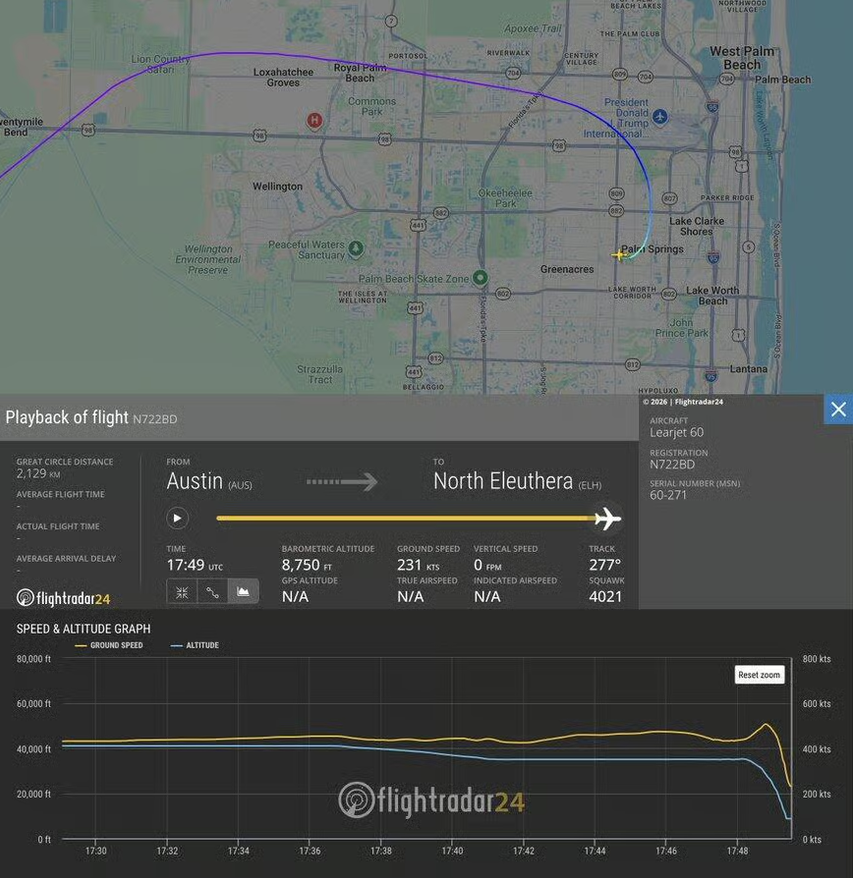
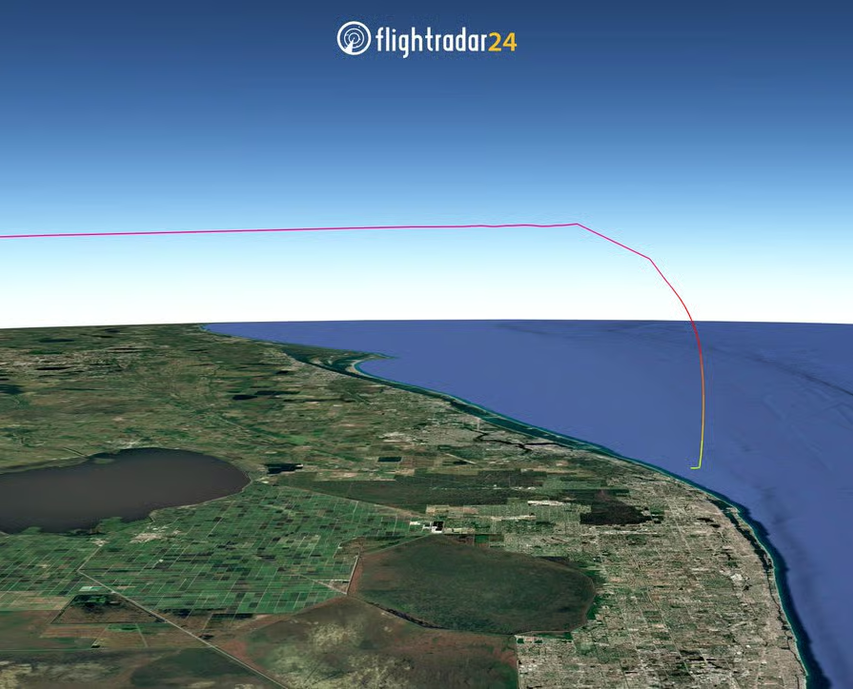
I wonder if those in the white car made it …

“we’re out of ti …“

When God wants to talk with you …
Plane crash. What happened? Released flight pattern looks … sudden.
I wonder if those in the white car made it …
“we’re out of ti …“
“We’re descending 8,000 – mayday, mayday – we’re descending 10,000 feet per minute,” the pilot radioed.
“We are in an overspeed condition descending 20,000 feet per minute,” the pilot radioed, before delivering a devastating acknowledgment of what was about to happen. “We’re going to crash into the ground.”
I wonder who and what was on the plane.
OK…48 Hour Rule applies. I am completely speculating here with almost no evidence to back this up. That said, even at this early hour, there is evidence to look at.
There is a YouTube which couples the position of the aircraft in question…N722BD… with the radio transmissions from the aircraft. I have listened to it twice, and that’s all I can stomach. I recommend that if this is new to you that you turn your audio off, and I’ll give you what I can. [Also note that there are portions of this YouTube that VAS has appeared to have sped up. What you’re seeing here isn’t necessarily how it happened in real time.]
The data tag for each aircraft that is shown to the ATC controller has several parts to it. The top line shows the identifier of the plane. Since this was a private plane, the identifier is the plane’s tail number….N722BD. In a radio call, this will often be shortened to “2BD” or maybe “22BD”. Underneath that you will see 3 digits representing the plane’s altitude. The beginning of this video shows that N722BD was at “410” or 41,000′ above sea level.
Thunderstorms are no joke. They have a life and an energy all to their own. It is easy for the uniformed to say “Well, the thunderstorm is only ‘Over there’, so why don’t you just avoid it?”. That’s all well and good, but by how much? The best practices say can lead you to avoid a thunderstorm by 20, or more miles. The guidance that I received at my former airline was to avoid them, especially downwind and at altitude, by one mile for every knot of wind that you’re seeing. Hail can be thrown out the top of a thunderstorm and taken downwind many, many miles from the thunderstorm.
And that brings up how you see the thunderstorm. There are limitations to aircraft radars. Aircraft radars reflect well off of water and moisture in the air, but once that moisture freezes, they don’t see it very well.
I have 2 preliminary comments.
The definition of the various levels of turbulence is not subjective. I’ve attached an image from the Airway Manual on turbulence.