
Red Mountain Town, CO
I suppose I've let you all know that one of my primary outdoor activities is checking out old mining camps (to say nothing of searching for minerals. I'm an expert on leaverite ore ... I have quite a collection).
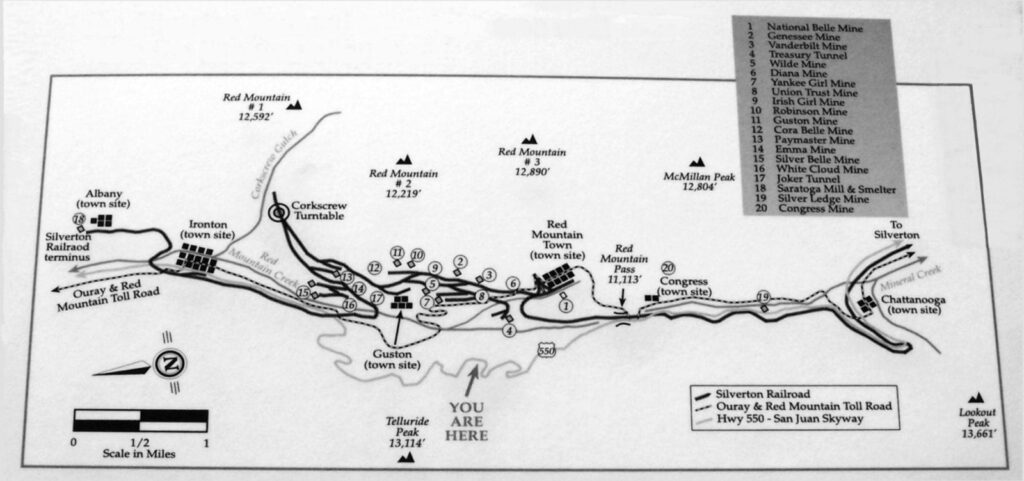
Red Mountain Town is one of many old mining camps in the area roughly defined within a region bounded by Telluride, Ouray, Silverton, and Lake City. The town sits at just shy of 11,000 feet but not too far off modern US550 roughly midway between Silverton and Ouray on the north side of Red Mountain Pass.
This is the tailings pile of National Belle Mine circa 2010.
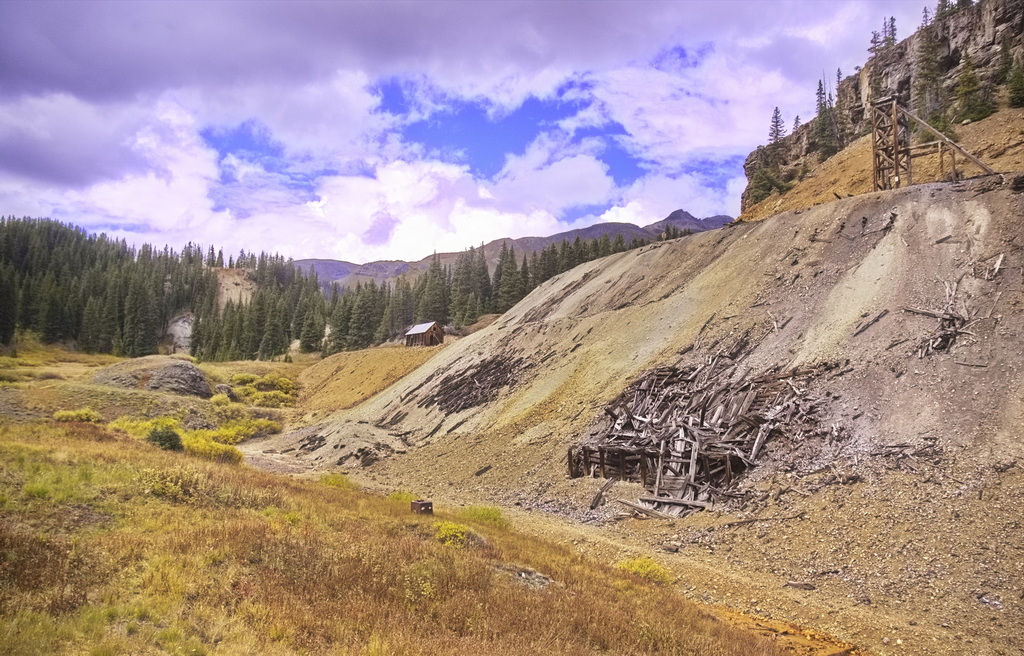
My photo
Gold miners settled in the area in the 1870s but it was the silver discoveries in the 1880s that led to the formation of the significant town of Red Mountain Town. There was also a "Red Mountain City" close by but it faded away as Red Mountain Town grew, being closer to the mines and situated on better land.
Otto Mears opened "The Million Dollar" toll road between Red Mountain Pass and Ouray in 1883, the same year the RMT post office opened. Otto Mears also brought the railroad into town in 1888, taking ore to the smelters in Silverton. By 1890, the town reportedly had a peak population of 10,000 and over 100 buildings including a telephone office, a couple of newspapers, a schoolhouse, saloons, more saloons, cathouses, and an escape-proof jail. The town did not have a church until later in the town's life.
When working the National Belle mine in the late '80s, a huge cavern was discovered filled with large pockets of gold and silver. The rush was on.
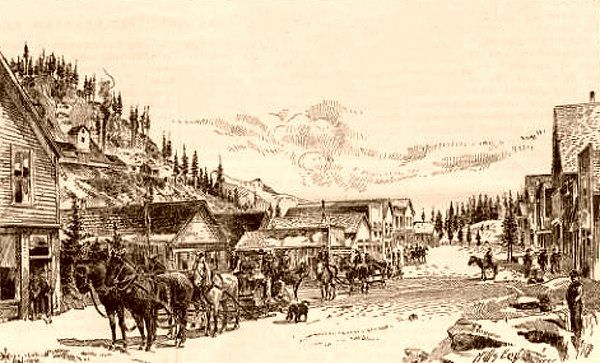
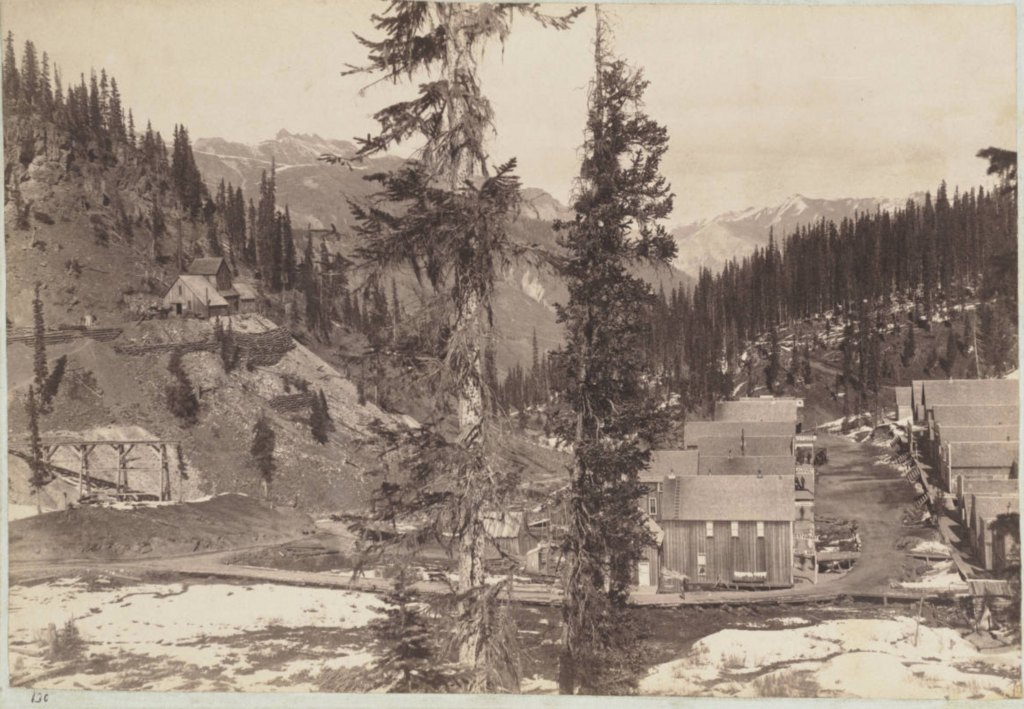
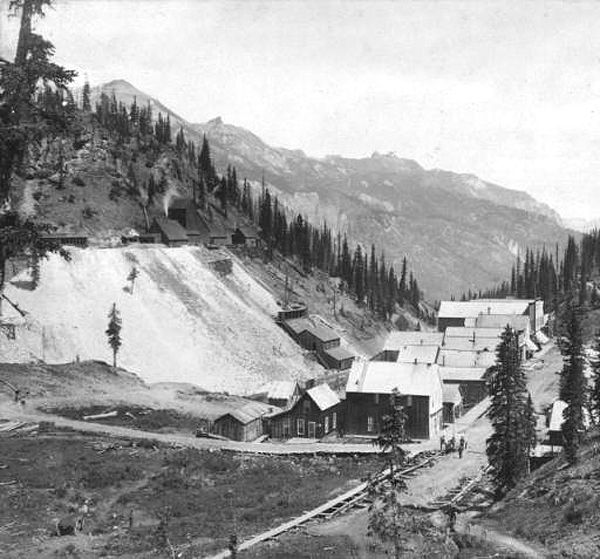
One of three major towns (also Guston and Ironton) served by the Otto Mears' toll road and the Silverton Railroad to carry ore to the smelters in Silverton, the town burned down in 1892, the day after the church which had been rejected by Red Mountain Town opened in Guston. Starting in the hotel, all buildings along Main St were destroyed; only the RR depot and jail survived.
The town was rebuilt but the demonetization of silver in 1893 resulted in the closure of the National Belle. Another fire in 1895 pretty much finished the town - by 1896, only 40 people lived there. Only 12 by 1899.

Over $30M (1890s prices) of gold, silver, copper, zinc, and lead came from the mines in the area.
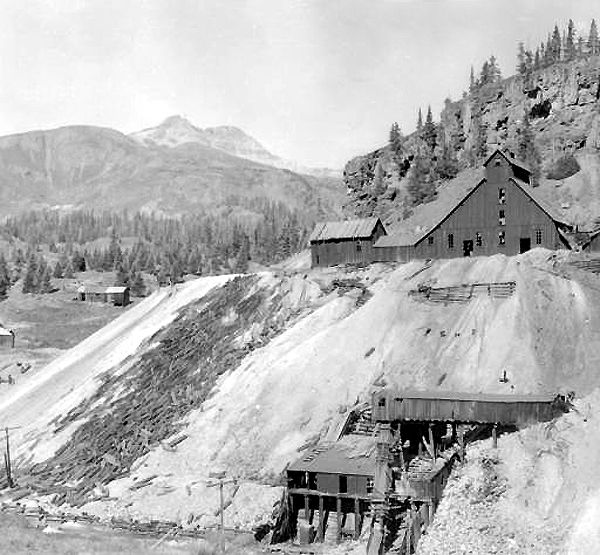
The town was once the largest of the Red Mountain mining region, reaching a peak population of around 10,000 (as some claim) in the late 1800s but few buildings remain today, most significantly the jail. Ruins of the major mine, the National Belle are shown in the upper photo as they appeared when I last visited in 2010.
The townsite is relatively accessible along county roads but 4wd is generally recommended for anything more than the well-travelled routes.
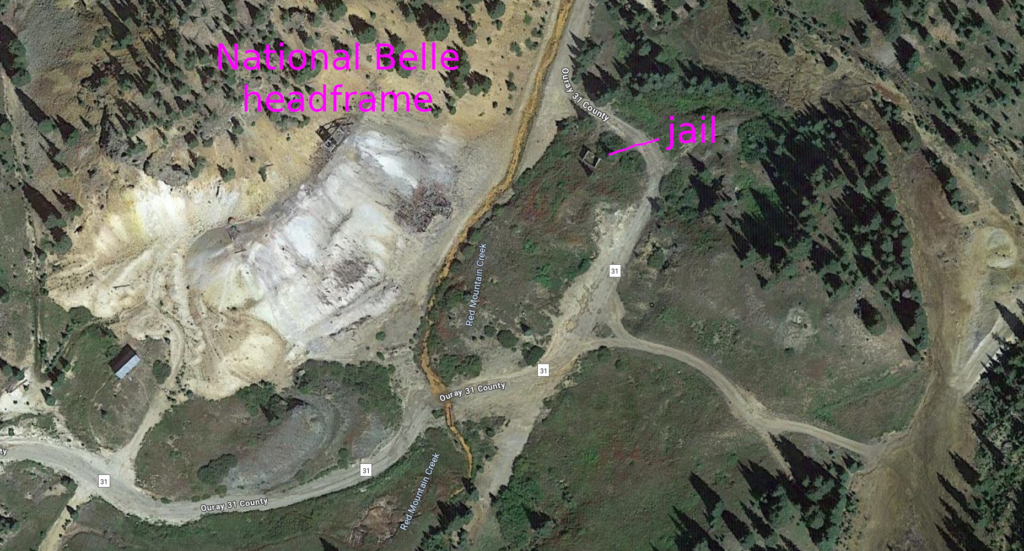
The jail ruins are at 37.90433251415818, -107.70322831935269
I've spent a fair amount of time wandering around these hills. God willin' and the crik don't rise, I'll be blessed to spend more.
Continue reading →