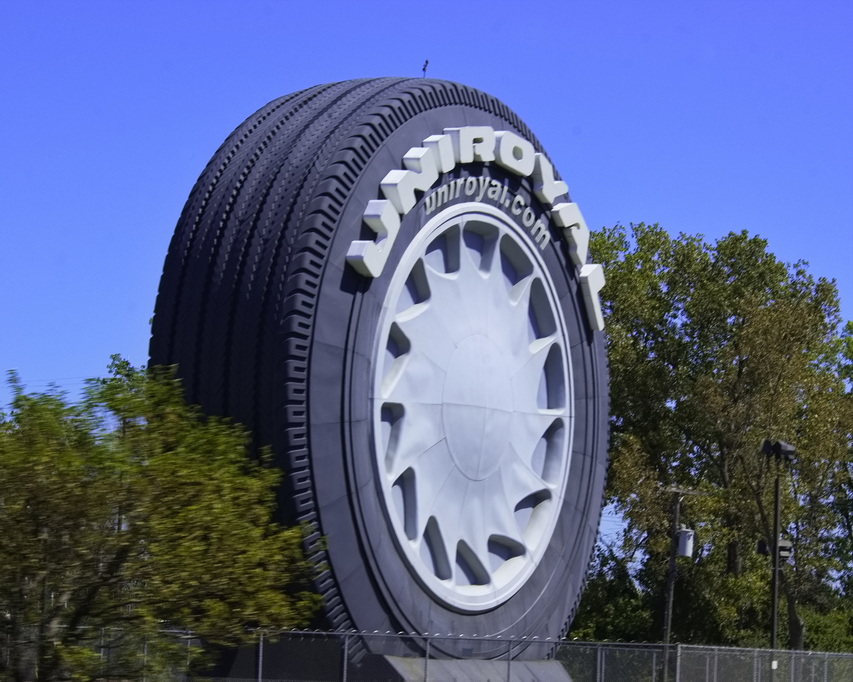
The tire was built for the 1964 World's Fair in NY as a Ferris Wheel. In 1966, it was moved to its present location alongside I-94 outside Detroit.
The tire is an 80 ft diameter glass-fibre impregnated polyester resin with 6" tread. The tire was refurbished in 1994 after Michelin bought Goodrich and again in 2003 when the neon lights were replaced with reflective lettering. For 5 years while starting in 1998, an 11 ft nail was placed in the tread as a promotion for a Uniroyal puncture resistant tire.
A sample of some obscure – and some maybe not obscure – tunes from my strange and off-the-wall collection.
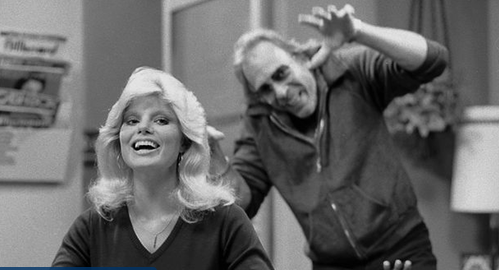
Today’s selection: Fleetwood Mac "Black Magic Woman" 1968
Back in the dark ages - before fame and fortune struck - there was a band called "Fleetwood Mac". Formed in 1967 and named for the drummer - Mick Fleetwood - and the bass player - John McVie, they formed a British blues band.
Peter Green was the guitar player that replaced Eric Clapton in John Mayall's Bluesbreakers whose members also included Fleetwood and McVie. After a bit of swapping musicians, the three joined together to form Fleetwood Mac. One of their first pieces was "Black Magic Woman", first released as a single, then included on 1969's compilation album, "English Rose".
Santana recorded the song in 1970 and was such a success that few people realize that the tune is from early Fleetwood Mac - few people at that time knew of Fleetwood Mac; their huge success came in the summer of 1975 release of the (2nd) self-titled album.
Over the years, only Mick Fleetwood and John McVie have been consistent members of the band. Christine Perfect started playing with the band on their second album in 1968 (and married John McVie the same year) but was not a "member" until the 5th album, "Future Games" when Peter Green left the band.
Just as a side note, I prefer more of the earlier releases than later: "Then Play On", "Kiln House", "Future Games", "Bare Trees", and ... both "Fleetwood Mac" albums.
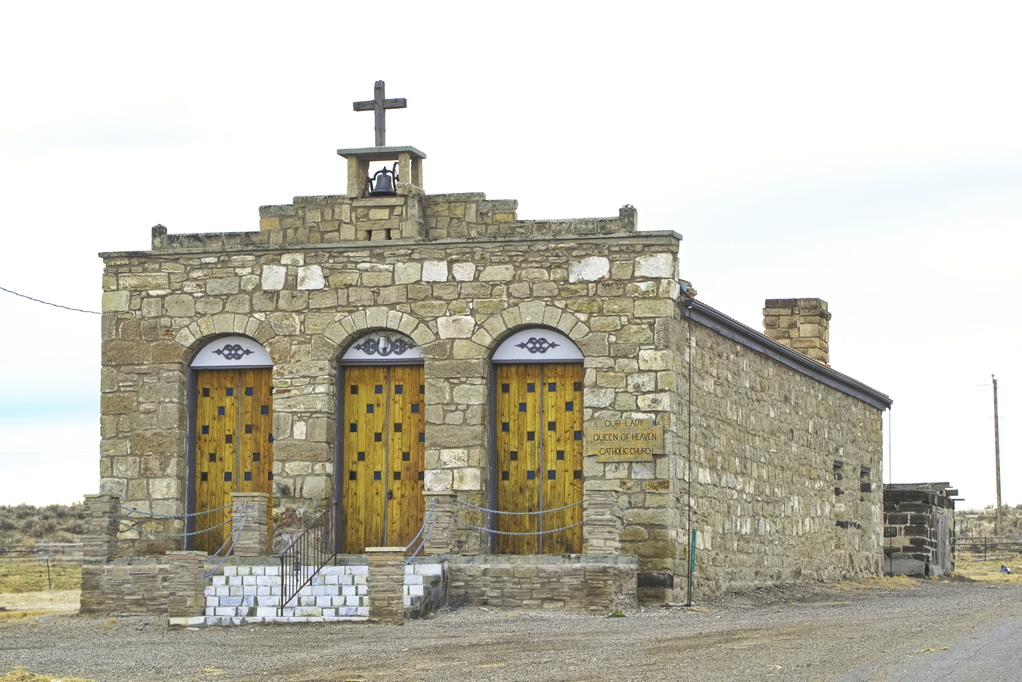
Built in 1883 as the now-defunct town's general store and post office, it was surrounded by the town's saloon and hotel. It is the only structure remaining of what was once a small town serving nearby ranchers.
In its heyday, the town never did amount to much, population maybe a dozen; now it's simply a name on a map with a small cluster of rancher's homes about a mile from the church. It now has the status of "unincorporated community" with the zipcode of the county seat some 15 miles away.
The building was converted to a Catholic church in 1961 after the ruined shell was donated to and renovated by the Catholic Church. Services are still occasionally held here; one Sunday a month or less.
Got up this morning at my usual "Why am I awake at this ungodly hour" time and headed down to the office.
And stepped into this:
Apparently. the main sewer line to the septic tank was a bit plugged and the combination of shower, laundry, dishwasher, and toilet flushing caused a backup. Thing is, it was OK last night when I closed things up so the backup happened sometime between lights out and lights on this AM.
The water was "clean" but still black water so it's not just a matter of drying things out. Carpet has to go, padding definitely has to go. Some of the drywall absorbed too much water so it goes. Luckily, damage to personal goods was minimal and the base floor is concrete.
But EVERYTHING has to be moved: office, storage, book cases (full), and other miscellaneous junk that has accumulated over the years.
Well ... it was getting time to re-organize and re-configure my workspace anyway.
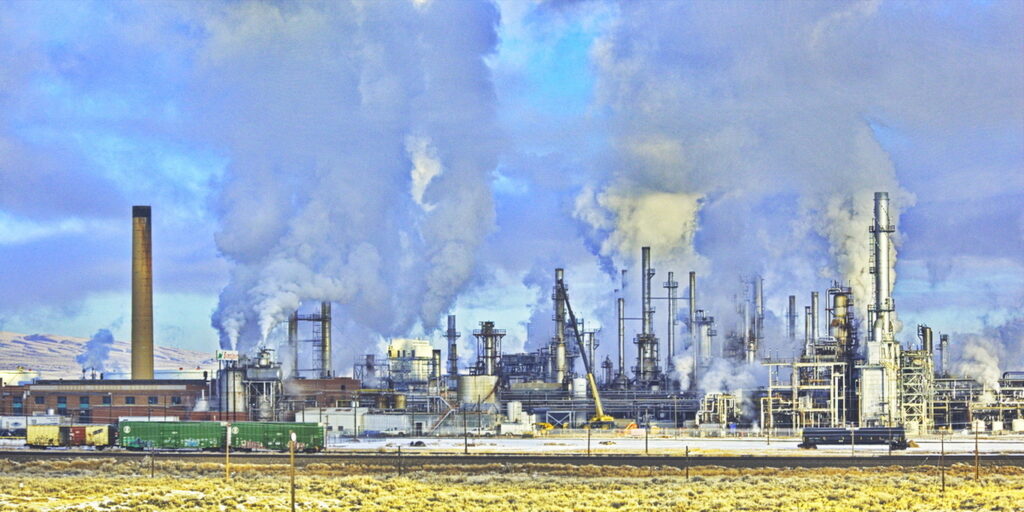
Not far east of Rawlins, WY is the town - so to speak - of Sinclair. In 1922, the Producers and Refiners Corporation selected this location for a refinery; it started operation in 1923. The company bought the land surrounding the refinery as a location for its employees. The resulting planned community was considered one of the most modern at the time. Mail arrived at the refinery addressed to "P&R Co" which led to the town to be named Parco.
Sinclair bought P&R Co and renamed the town in 1943. The town never had more than a few hundred inhabitants - latest census puts the population at around 350 - but the original refinery is still active and most of the original town structures remain as part of a historic district. However, most commercial activity occurs in Rawlins - only about 7 miles west.
Funny thing: there's a Sinclair gas station at the east exit off I-80 leading into town. It is not cheap.
A few miles east of town is the location of the Hell-On-Wheels town of Benton. For three months during the summer of 1868, Benton was notorious as the most devilish of the hell-on-wheels towns that existed during the construction of the Union Pacific portion of the Transcontinental Railroad ("transcontinental" being Omaha to Sacramento). Nothing remains of Benton.
If you had only paid more taxes to "Save The Planet"™
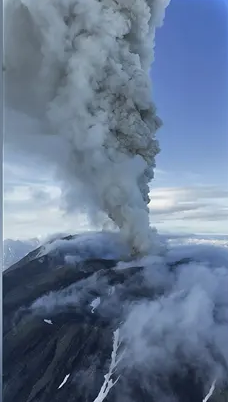
The Krasheninnikov volcano, located on Russia’s far eastern Kamchatka Peninsula, sent ash 6 kilometers, or 3.7 miles, into the sky. A 7.0-magnitude earthquake accompanied the eruption. The plume is spreading eastward from the volcano toward the Pacific Ocean. This is the first historically confirmed eruption of the Krasheninnikov volcano in 600 years. It has been said that the amount of ash blown into the sky is the equivalent to the exhaust of a large diesel pickup.
"moderate explosive activity could continue" so quick - send those Climate Change tax dollars to your favorite politician so that the Congress-critter can prevent this from happening again.
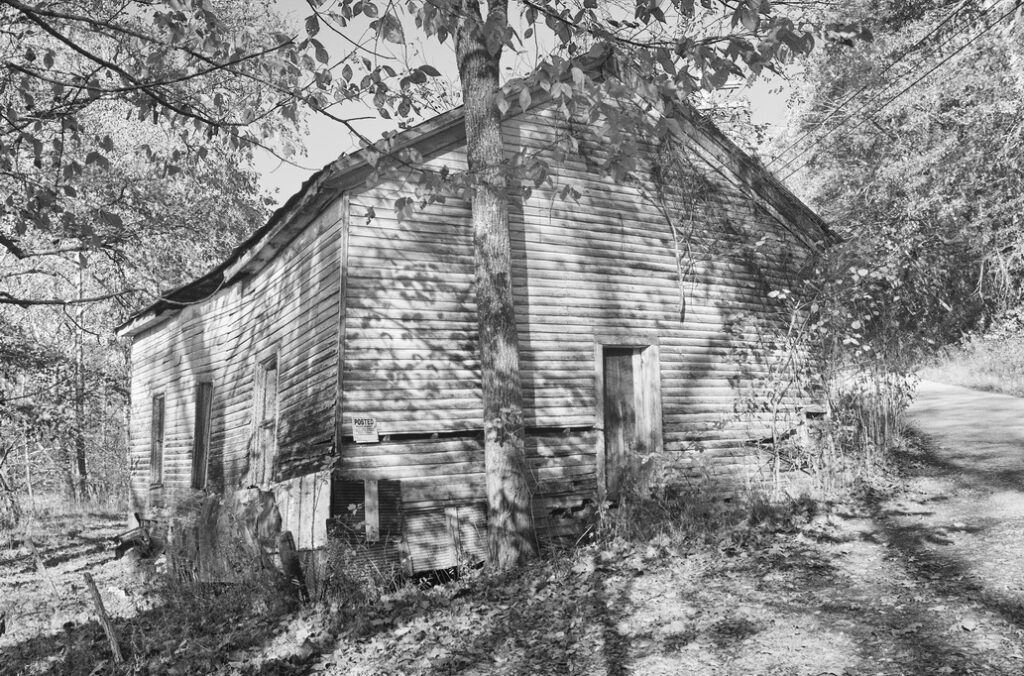
In my younger days when I still lived "east", I found myself taking odd roads into odd places. One of those places was off I-64/US60 in eastern Kentucky known for a region of accessible caves. This took me off the beaten path along which I passed this building in Wesleyville.
I don't do caves anymore ...
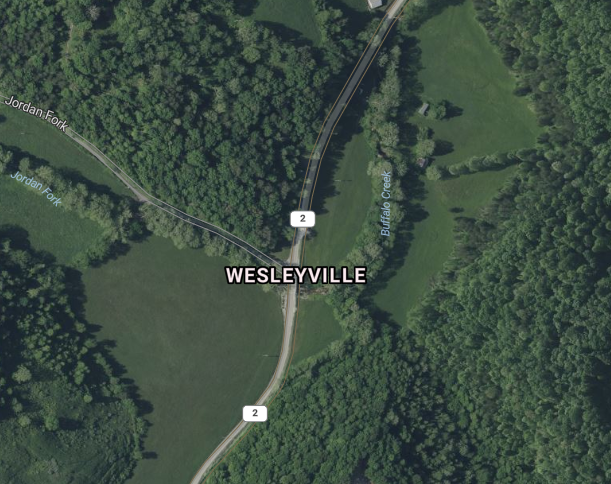
Wesleyville is listed as a "populated" place but I found no other evidence of a "town" - or even hamlet - at this location other than this building alongside a narrow road heading up into a "holler". When I took this photo, I didn't know it was the heart of "town" - there is no town, at least not when I passed by.
The building was up a short way along what is labeled here as "Jordan Fork". From this image, it appears the building no longer exists.
This structure was a church, school, and meeting hall - possibly all at the same time - and was built sometime around 1882. It is possible the building also held the post office and local "emporium". Locals told me of "pie suppers" being held in this building as late as the 1940s.
The building was locked when I discovered it but peering through cracks, the floor was in bad shape and the roof obviously leaked. There was no glass in the boarded up windows and no furniture or furnishings. Snakes, possums, coons, and skunks were likely inhabitants.