Muslim NYC Mayor Zohran Mamdani and Democrat Rep. Alexandria Ocasio-Cortez were seen laughing as the names of the honored dead were read aloud at the 9/11 memorial on Friday. Zohran Mamdani and AOC giggled while victims’ families wept.
Something like this is going to be the trigger ...
Let's avoid the argument of if Heaven and Hell even exist. If one believes in the existence of Hell, one necessarily believes that God does not forgive all sins.
A sample of some obscure - and maybe not obscure - tunes from my strange and off-the-wall collection.
Today's selection: Snake Oil Willie Band - "I Don't Look Good Naked Anymore" 2014
A New Jersey band. "We are seasoned, professional musicians with many years of dedication to our craft. We do our utmost to provide our audience with an enjoyable evening of recognizable music, well played, that is easy to dance to."
The band has been around since 1995 but this was their first recording. They're still active ... this being Sept 8, they last played at Kymer's Campground in Branchville, NJ last Saturday and play at the High Point Country Club on the 26th.
Betcha this song is their closing tune.
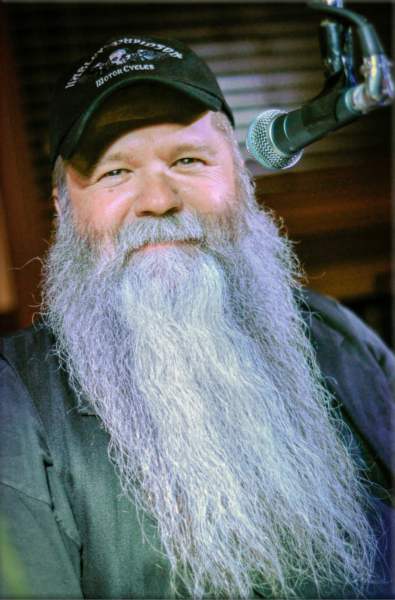
Tony Krucinski
But, but, but ... there must be deep meaning here.
"I Don't Look Good Naked Anymore confronts the uncomfortable reality of physical decline and its impact on self-worth and intimate relationships. The narrator has let his body deteriorate through poor lifestyle choices, transforming from a capable, confident man into someone who hides from his own reflection."
family once removed - aka, clearing out the photo file.
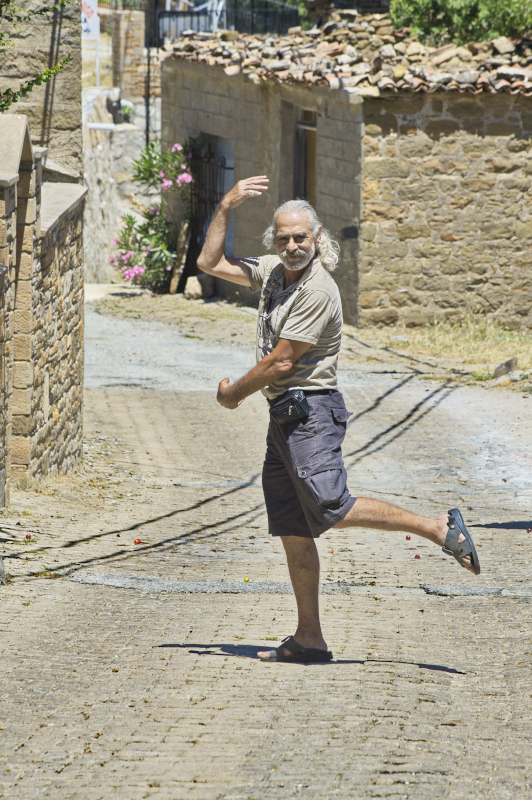
Mrs DT's BIL was professional ballet dancer. This photo was taken in Turkey some years ago. I understand he was quite good in his day. That's about all I have to say about him; I don't speak Turkish, he doesn't speak English. We get along over a cold beer (Turkish beer: best left in the unopened can)
His daughter (my niece?) on the other hand speaks English quite well; had her over here one year while she was the equivalent of a high-school student and taught her the woodchuck song. She flew back to Turkey out of Dulles to begin the school year where she promptly got in trouble when her teacher insisted NYC was the US capital.
She grew up to be a fantastically beautiful woman ...
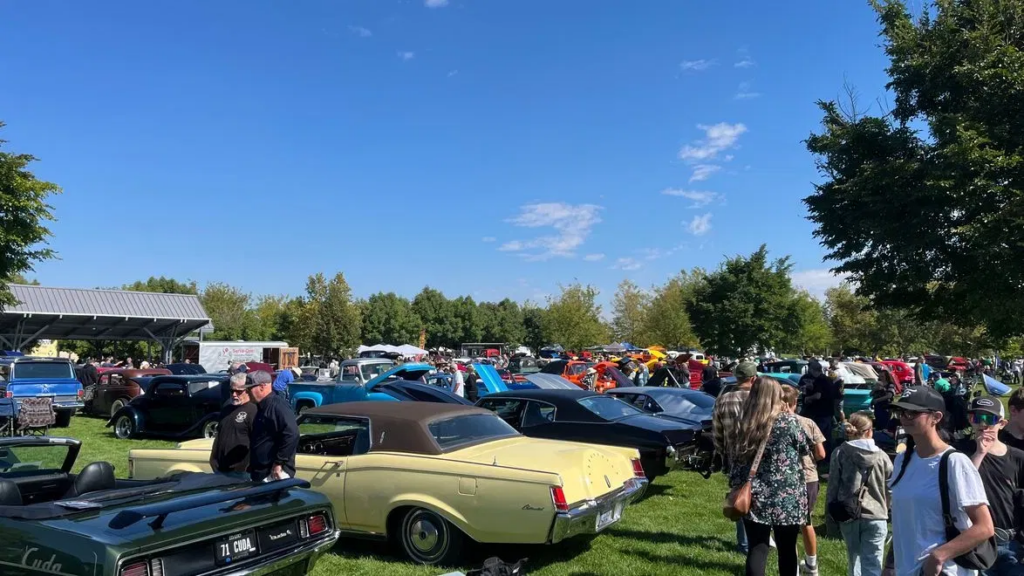
"The smell of smoke and slow-cooked barbecue filled Julius Kleiner Park this weekend as the Meat and Tater BBQ Fest and Car Show returned to Meridian. The event was held Friday and Saturday at Julius Kleiner Park in Meridian, and organizers said more than 50 barbecue teams competed. Attendees could also check out the car show and spend the weekend sampling what’s billed as a celebration of Idaho barbecue."
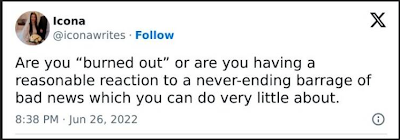
For me, ghost, and probably a lot of others here as well...
Stolen meme.
Yes to the 2nd; close to the 1st. Yet I can't ignore it - need to keep eyes on the enemy no matter how painful. It'll be less painful than being caught by surprise.
I sympathize with ghost - let me out of here - but there is no escape; I know the technology well-enough - and those that "use" the information ... the place to hide isn't in the boonies, it's in the cities. Too bad the cities aren't a place to live.
11-1 NOT guilty??? WTF? All this time, I thought it was the other way 'round.
Thank you, #12. The precedents that could be set here ....
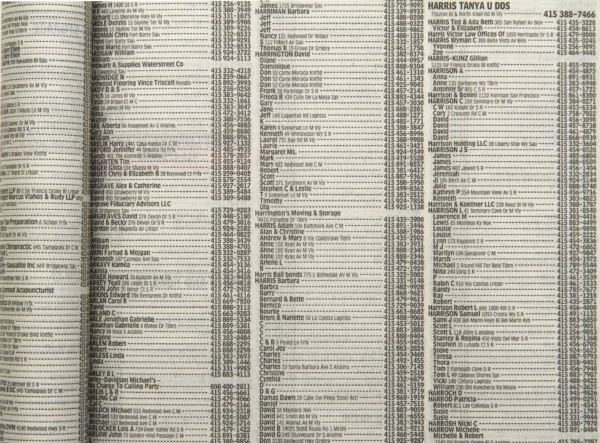
Remember that time when once a year, a private company would release a book to almost everybody for free that contained the name, address, and phone number for everyone that lived in a particular area ... and another for every business in the region - and similar books were handed out across the entire country for every region of the country.
Local libraries often carried out of area books so that patrons could access information outside their area. Every so often, a booth standing unattended out in public also had one of these books available.
And if that wasn't enough, you could use your phone to ask someone about someone else's phone number anywhere in the country. For free. Semi-anonymously - or fully anonymous with a pay phone.
That practice ended years ago. It's not so simple finding similar information now. Want to get in touch with an old friend that you lost contact with? It's next to impossible to even discover an email address let alone a phone number or physical address.
And even if you find such info, you have to give up a pint of blood and your first-born to access that information.
So why did I feel so much less concerned then than I do now?